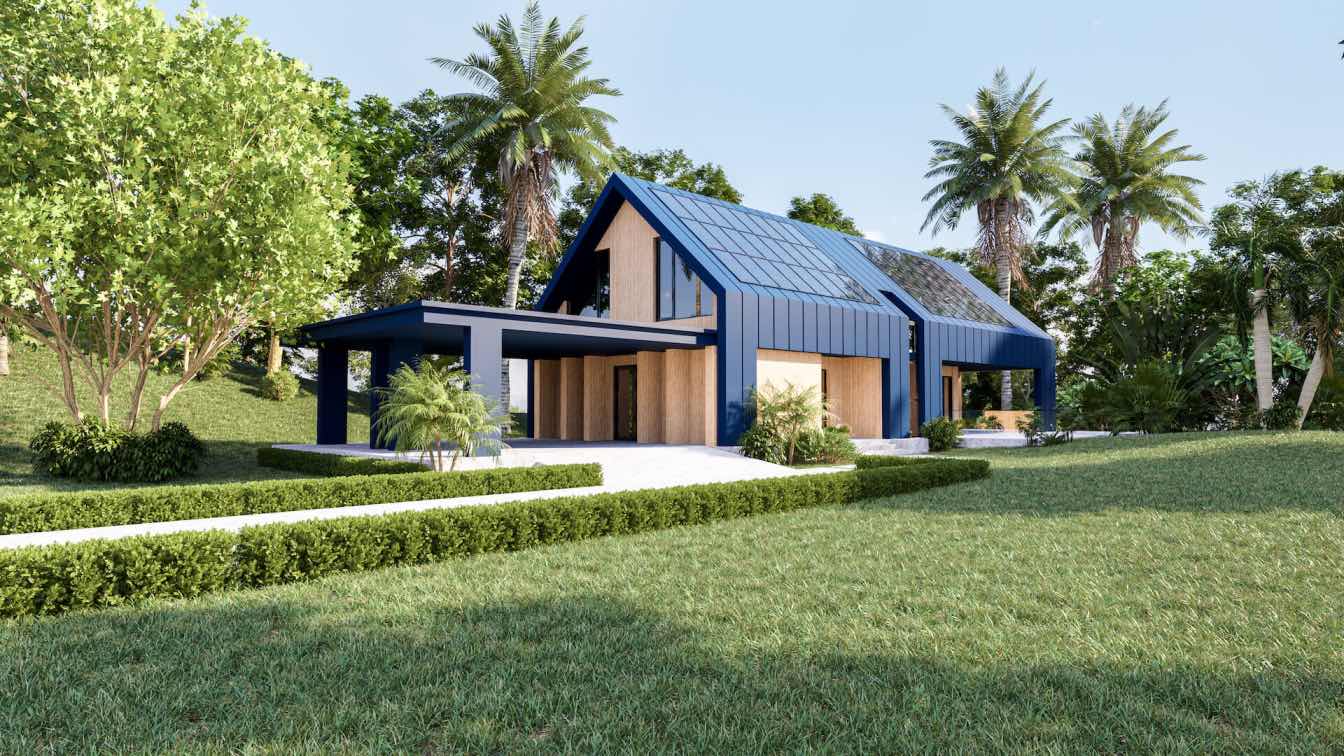
10 Easy Ways to Make Your Home More Energy Efficient
Improving your home's energy efficiency not only helps the environment but can also lead to substantial savings on your energy bills. Here are 10 easy ways to make your home more energy efficient:
- Upgrade Your Windows: Installing energy-efficient windows can significantly reduce heat loss. Look for windows with a high Energy Star rating.
- Seal Air Leaks: Check for drafts around windows and doors, and use weatherstripping and caulk to seal these leaks effectively.
- Insulate Your Home: Proper insulation in your walls, attic, and basement can lower heating and cooling costs. The Department of Energy has guidelines to help.
- Use Energy-Efficient Appliances: When it’s time to replace appliances, choose those with an Energy Star certification.
- Install a Smart Thermostat: Smart thermostats learn your schedule and can reduce energy use by adjusting the temperature when you're not home.
- Switch to LED Lighting: Replacing incandescent bulbs with LED lights can save up to 75% more energy.
- Use Power Strips: Plug electronics into power strips and turn them off when not in use to prevent phantom energy loss.
- Consider Solar Panels: Harnessing solar energy is a great long-term investment for energy savings. Look into local incentives for solar installations.
- Utilize Natural Light: Increase sunlight exposure by using reflective surfaces and strategically placed mirrors to reduce reliance on artificial lighting.
- Maintain Your HVAC System: Regular maintenance can ensure that your heating and cooling systems are running efficiently, helping to keep energy costs down. Check the Energy Department's tips for HVAC upkeep.
The Benefits of Green Living: How to Reduce Your Carbon Footprint at Home
Green living offers a multitude of benefits that go beyond environmental conservation; it also promotes healthier lifestyles and can lead to significant cost savings. By adopting green practices at home, you not only contribute to reducing your carbon footprint, but also improve indoor air quality and energy efficiency. Simple changes such as using energy-efficient appliances, utilizing natural lighting, and maintaining your home can result in reduced energy consumption and lower utility bills over time.
Here are some effective steps to integrate green living into your home:
- Opt for energy-efficient appliances that consume less power.
- Implement water-saving techniques, such as low-flow fixtures.
- Incorporate sustainable materials in renovation projects.
- Practice smart waste management by recycling and composting.
By making these changes, you not only contribute to a healthier planet but also inspire those around you to consider the impact of their own lifestyles.
Is Your Home Eco-Friendly? Tips for a Sustainable Lifestyle
As climate change becomes an increasingly urgent issue, many homeowners are seeking ways to make their living spaces more eco-friendly. A simple first step is to conduct an energy audit of your home, identifying areas where energy inefficiency occurs. This can include checking for drafty windows, poor insulation, and outdated appliances. By upgrading to energy-efficient windows and using LED lighting, you can significantly reduce your energy consumption. Additionally, consider investing in smart home technology that allows you to monitor and optimize your energy usage.
Your water consumption is another critical factor in creating an eco-friendly home. To conserve this precious resource, consider implementing water-saving fixtures like low-flow showerheads and dual-flush toilets. Additionally, you can reduce water usage by collecting rainwater for landscaping and installing a drip irrigation system. To encourage a sustainable lifestyle further, engage with your community by joining local environmental initiatives or participating in community gardens, which promote both sustainability and food security. Every small step counts in the journey towards a more sustainable future!